COMISSÃO DE DIREITOS HUMANOS, MINORIAS E IGUALDADE RACIAL
Sobre o Evento
A comissão debateu a crise habitacional e o direito à moradia digna, defendendo a autogestão, o aumento do orçamento público e a proteção social. Os participantes denunciaram a criminalização dos movimentos populares e reivindicaram políticas urbanas integradas que combatam desigualdades e vulnerabilidades sociais.


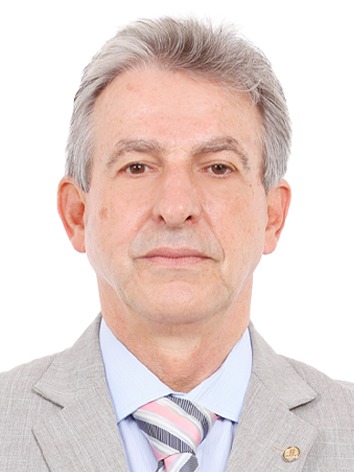


REPRESENTANTE DA CENTRAL DE MOVIMENTOS POPULARES - CENTRAL DE MOVIMENTOS POPULARES
Yeah. I would like to thank the invitation from the CNBB, the Pastoral of Moradia and Favelas, and also from the Commission, in the name of Padre João. So, I thank all the parliamentarians who are here, participating in this public audience, my companions, the CMP, the Central of Population Population, here in Brasília, also. We thank you for the present, we thank you. and tomorrow we will be here in the session solene, because it's important moment, And to celebrate this initiative of CNBB, to launch this year in the whole Brazil, the Fraternidade campaign. bringing this theme of the moradia, fraternity and moradia. He came to live in the middle of us, saying concretely that Christ is in the favelas, that Jesus, as he was born in the same tent, he is in the favelas, in the occupations. And it's very important also, in the habitational groups, and it's very important that our deputies and deputies who are here participating, can come with us in this agenda, the National Congress of this Casa of Leagues, to advance with the pautas of popular movements, not in the pautas against popular movements, but in defense of the right to the city, of urban reform and the right to the living. And I wanted to bring here three questions just in terms of our short time, and I want to try to stay on the time, I wanted to talk specifically about the situation of the favelas. We just left the 6th conference national of cities, I was in a conference in the city and I participated in a meeting that brought the theme, so I wanted to go back to him here, to talk specifically about the situation of the favelas. For you to have an idea, in the census of 2000, we are talking about a little more. 20 years ago, 25, 26 years ago, in the census of 2000, in the limiar of the 21st century, the Brazil was, in that census, with 3.900 núcleos habitacionais, 3.900 favelas in the Brazil, for the levantation of the census. In the census of 2010, this number, Padre João, and the deputies, and the deputies, almost doubled. We went to a little more than 7.000 hectares in the whole Brazil. And I'm going to you, that in the census of 2000, and everyone knows the situation of the favelas in Brazil, the agravated situation habitational, the violence and all the more. In the census of 2022, in terms of the pandemic, we know that the census is of 10 in 10 years, but in the pandemic, the census was in 2022, the result of the census. So what we are watching is that people living and living in favelas in Brazil have doubled each census. What will happen with the census of 2032? We will have 28.000 núcleos of favelas in Brazil. the situation in Brazil. This condition. So what can we do to change this situation? Contando to you here, that in 2030, Brazil will have to present the concrete response, the president Juliana, to the ONU, because we have a commitment with the ODS and the objectives of the millennium. In the Meta 11, we have the responsibility, and the Brazil has the responsibility the problem of the saneement, the problem of the moration, to the morate of favela, and guarantee 100% of urbanization. How are we going to solve this problem until 2030, with the number of favelas dobbing each other? So this is the question that we should think. And what is associated with this problem? Onus excesses of the income, a low salary, a person gets little and cannot pay the income. If it pays, it doesn't pay the income. If it pays, it doesn't pay the income. people will live in favelas, as a solution to the moratorium, because they will not live under the bridge, they will live in some place. And another situation is the number of despejos. By the release of the campaign Despejo Zero, we have today, more than 2 million families in the community in this moment. So we need to also think how we will resolve and atent the problems of the despejos in Brazil, people in the community of dispejos. Some 1.300.000 women are being charged with disperse. More than 1.300.000 women are also being charged with disperse. We are talking, so, that the face of disperse in Brazil is a feminine, a woman, and a woman, and a woman, and a woman. Or, you know, there's a face and a color of disperse in Brazil. So, in this very serious situation, and in front of the difficulty of the Brazil equating this issue, also for this public audience. First thing, to be able to return the Frente Parlamentar of the Moradia and Favelas, the right to the city, the reform urban, the name that you want to give here. But we had, a few years ago, here in the Câmara of Deputados, the Frente Parlamentar, and now, deputados, it was not returned. The Commission of Development Urban here, the CEDU, the Câmara, did constantly the conference of the CEDU to discuss the problems of the city. And it seems that the deputies this pauta here in the Câmara of the Depth. Certainly there are many important pautas, but today, in Brazil, it's a chaga, it's a cicatriz aberta to the situation of moradia. And it's necessary to retomar this agenda of the right to moradia urgent here in the Câmara of the Depth. Or a partir as we are suggesting here, of the GT to act on the conflict, to follow the situation more emergent. A Ivaniza already mentioned about the criminalization. I'm watching the situation of the Moinho, in São Paulo. We know, the deputies of São Paulo know the gravidade of the disperse of the Moinho. Today we have seven people arrested. One of the leaders of the favela is, including to 800 km from their place, We ask, including the attention of the deputies on the situation of Alessandra and all this situation of criminalization of the movements. That's why we ask the constitution of this Committee of Mediaing Conflict and criminalization. So, these are the proposals and suggestions that I bring here as Central of Movimentos Populares. And thank you for the space for that I can talk and bring the position of the Central of Movimentos Populares.
