PLENÁRIO
Sobre o Evento
A sessão de comissão geral debateu o grave problema do feminicídio no Brasil, resgatando o contexto histórico de conquistas das mulheres. Enfatizou-se a importância da atuação do Conselho Nacional dos Direitos da Mulher na trajetória constitucional do país.




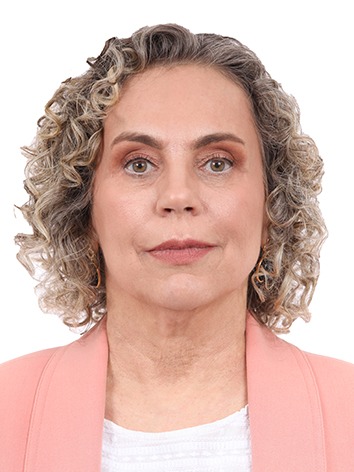

Deputada
Thank you. Good evening. Good evening. as people present, I would like to thank you, and say my satisfaction to do this table Cumprimentando a nossa Presidente, autora do requerimento the deputy Aline Siddamata, our deputy Maria do Rosario, our minister, Marcia Lopes. And Sandra Lee, also president of the National Council. the rights of women. I also wanted to thank my mother, the president of one of the directors of the UAB, who just said, Sérgio Panna, Rosely Dr. Roselye. And to say to you that I am a deputy delegated Catarina, third secretary of the mesa of police and delegated police for more than 20 years. Today I am here to talk to this table as a woman and as someone who already has been in front of this pain. I looked at the eyes of mothers, of children, of brothers who lost everything. and never, in any of these moments, I saw there a statistic, a number. I saw a person. We have a life that should not have ended that way. "Nenhuma mulher pode ser reduzida a um número, nenhuma família deveria viver essa dor." The feminicidio is not a statistic The feminicidio has a name, has a story, Ms. Ministra, has a destroyed family. The numbers exist and they are not obliging to act. The national data, in 2025, the Brazil registered more than 1.500 people feminicídios. E quando a gente coloca nesse número as tentativas, nós chegamos a um número de 7 mil. There are six women per day who have their lives without fadas or ameaçadas. 97% of these cases, the authors are their companions, men. in Sergipe, my state, as my colleague and my conterrânea said, We need to look at these two sides of the same reality. In 2024, our state registered the second lowest tax of feminicide in Brazil. Result of a serious work with programs like the Ronda Maria da Penha, the Special Delegacies, the Rete of Integrated Protection and the Capacitação of Policies Militares and Civils. We need to recognize and value this advance, but we can't afford to pay attention. You know why? Because now in 2025, Sergipe has a increase of 50% in cases. There were 15 women assassinated. And the sub- notification continues to be a grave problem. because between 2019 and 2024, only 17% of the victims There was a document of the occurrence. In this year, there were already five cases in Sergipe. The last one of them was on the Páscoa, my people. Joyce Oliveira is the name of her. She was a mother of two children, who was assassinated by a friend because he made choices. We women can't make choices without becoming victims. We are failing in some point of this line, because we have a legislative legislative very robust. So where are we failing? This is one of the main reasons why I proposed the creation of a external commission to investigate this scenario, seriously, and responsible. This commission is not symbolic, it has very clear objectives. Let's evaluate if the public policies, right there, are working on the real. Let's investigate where the institutional failures are. We will propose measures capable of saving lives. not just criminalizing the aggressors, but socializing also. as author and author of projects focused on women's protection, I have worked to strengthen the mechanism, Ms. Ministra. of prevention and to strengthen and endure responses against aggressors. We've already advanced. The feminicidio was an important step. and I was one of the reporters here in this house, the proposal that made the feminicide crime autonome with a pena of up to 40 years. Who is on the point knows that in many cases the victim has been looking for help, has been registered, has been asked for protective measures and even so the state has not been able to protect it. The feminicidio process practically triplicated in five years. This general commission is fundamental because it brings to this plenary, here today, who needs to be heard, specialists, professionals in public security, representatives of civil society, it's a point of part. We can't just leave here with diagnóstics. We need to leave with the encaminhamentos. This cause has no part My deputy Rosario. It's a pauta of human rights, of security, of responsibility of the Brazilian state Every woman who loses life is clear that we are not doing enough. We have the duty as parliamentarians, as public agents, as men and women, to change this reality. The society is claming for this. as victims who survived are asking this And those who didn't survive, left a silent call, that we can't ignore. We, women, continue receiving flowers and roses on the day of women. But, sometimes, these roses come with many spines. And it's our obligation to remove these spines, so that our women can live with dignity. Thank you very much.
