COMISSÃO DA AMAZÔNIA E DOS POVOS ORIGINÁRIOS E TRADICIONAIS
Sobre o Evento
A Comissão da Amazônia e dos Povos Originários e Tradicionais debatia projetos focados na preservação da identidade cultural indígena e na justiça socioambiental. Entre os temas, destacam-se a inclusão de línguas indígenas no currículo escolar e a instituição do Dia Nacional do Rio Doce como marco de reparação histórica.


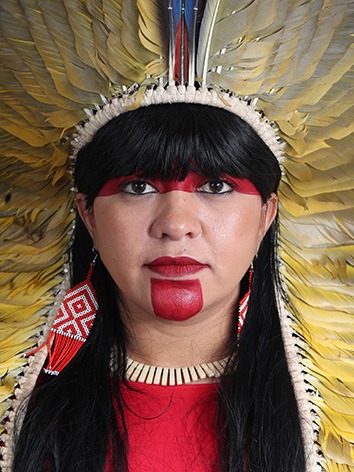

Pussy. The project of law 273, 2024, of the author of the nobre deputado David Soares, that brings to the debate a question quite pertinent and cara to this Comissão of the Amazon, of the Povers Originals and Traditionally, or, the valorization of the pluralism cultural by the recognition of the languages of indigenous peoples, especially the language of Tupi. In many countries in America, a indigenous language has a spread of the language Tupi, que contribuiu para a unidade política for a political unit of our country. And he gave millions of terms to the Portuguese language of Brazil. And it was a fundamental reference to all those who wanted to affirm the cultural identity of our country. the Brazilian people. We have to say that the analysis is done to the merit of the question. according to the attribution of the 32th of the Interstate Regiment, which determine and opinion on the issues of indigenous indigenous, the economic value of the sustainable development, from the Amazon region. As I said, I can highlight the merit of the proposition to recognize the linguistic diversity as a important value, which reflects the cultural riqueza of a nation. The inclusion of languages indigenous in the school curriculum promotes diversity and multiculturalism. Multi-coo. as diversities, teaching students to value and respect the different cultures of languages and contain the Brazil. This contributes to a form of a more inclusive and tolerant society. The language tupi, as well as other languages indigenous languages, is part of the heritage of the history and culture of Brazil. Before the colonization, the language tupi was widely spoken to the litoral significantly the Brazilian Portuguese Portuguese with many words and uses of the daily daily. This is its importance and the necessary preservation. We also have noted that we have already reported in this committee, PL 304/2015 and its APENSS PL 489/2019, PL 523/2019, PL 349/2020, PL 5240/2020, PL 548/2021, propositions with similar content, and so here analyzed and that, in the opportunity, received the opportunity, our vote for approval. Finally, we understand that the inclusion of indigenous languages, especially in the grade curricular, it is not just a matter of historical and cultural justice, but also a tool that is essential to preserve the linguistic and cultural diversity of the Brazil. And a measure that benefits both indigenous peoples with justice, as well as a whole society as a whole, promoting inclusion, respect and recognition of the rich heritage cultural indigenous of our country. However, it requires small adjustments to improve and to be able to be a good technique legislative, making the text more clear and effective. In the expo, we voted for the approval of the Lei nº 273/2024, in order to be an anexo and we invited the nobles pares idênticos à posição sala de comissões deputada Juliana Cardoso relatora Thank you. Thank you, deputada Joana.
